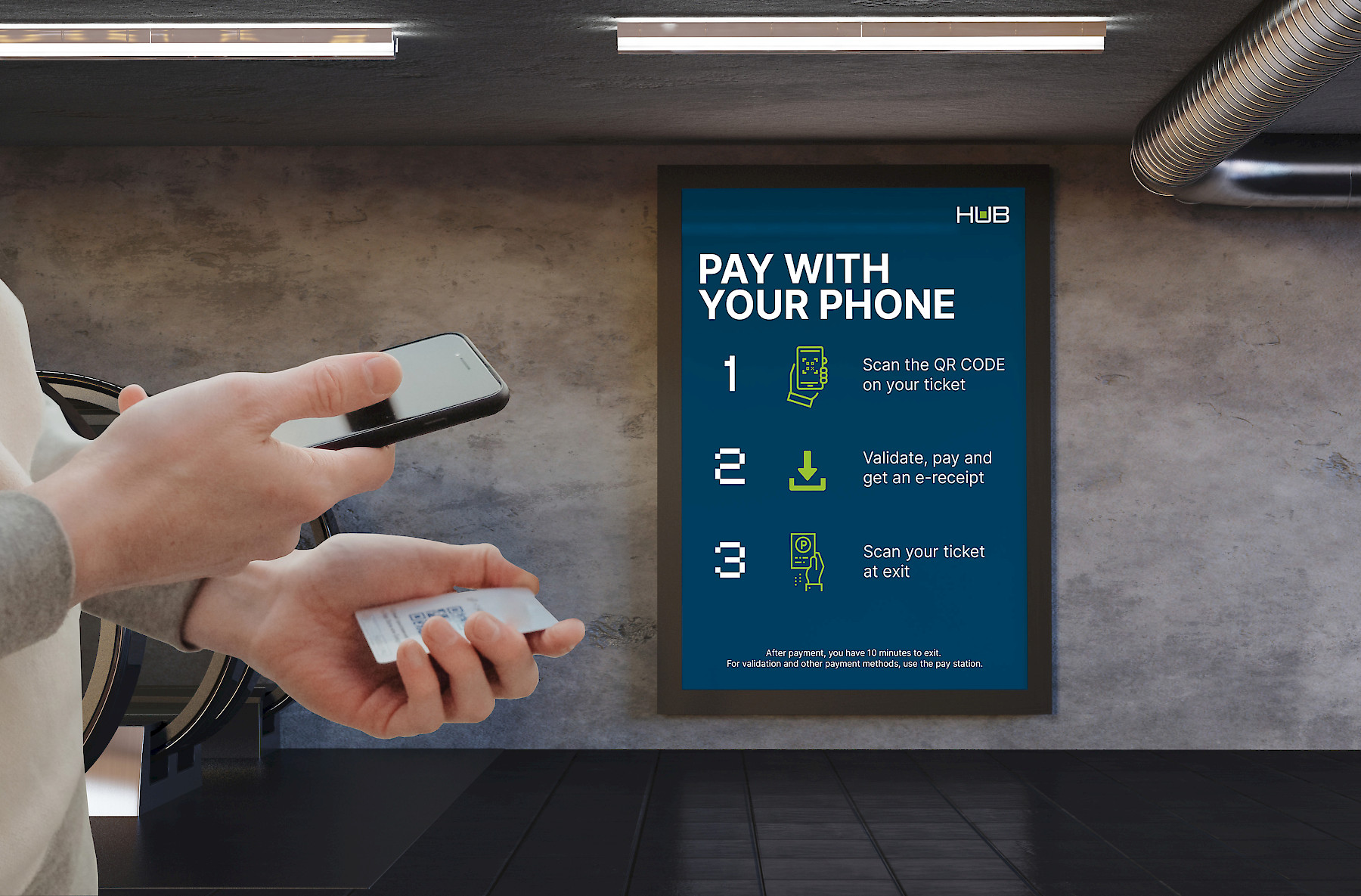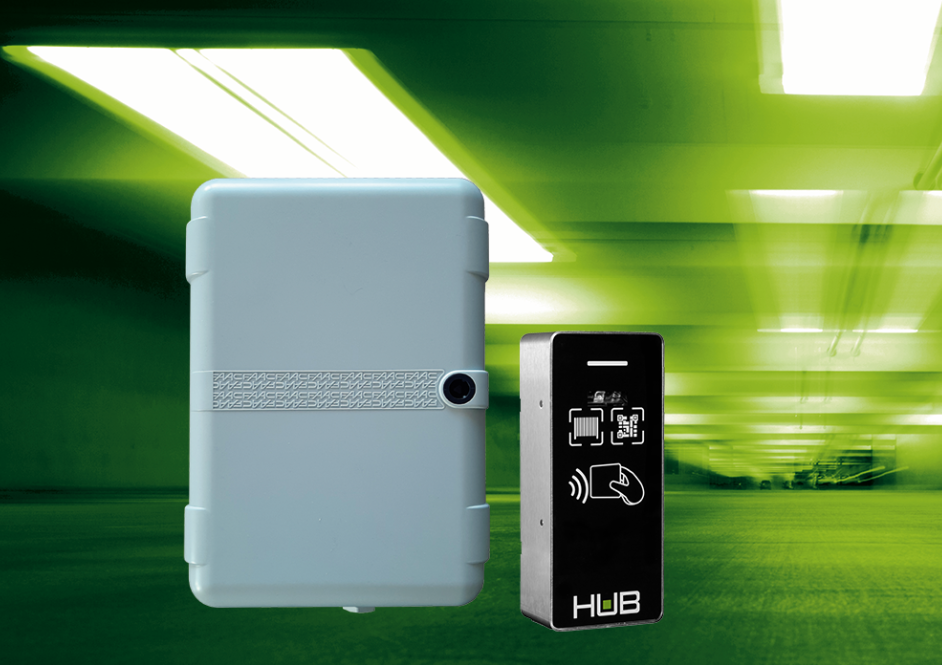
In Italy, parking validation has historically been tied to analog models: paper vouchers, stamps on tickets, or dedicated devices. In recent years, the market has been rapidly evolving toward integrated digital solutions, driven by the spread of what we call “smart parking” systems and the need to improve the user experience and operational control. At the European level, the trend is clear: digitization, dematerialization, and...
In conversations with property developers, facilities managers, and operators across the UK, I hear variations on the same question: "We want to upgrade our parking, but where do we start?" It is a sensible question, because the range of possible answers is broader than most people expect. Smart parking is used to describe everything from a QR payment sticker retrofitted onto existing pay-and-display equipment to...
As Tanzania's retail sector continues to evolve, new developments are placing increasing emphasis on the overall customer journey, including parking. At Kunduchi Mall in Dar es Salaam, parking was conceived as an integral part of the overall destination experience. Designed to serve shoppers, office workers, and residents alike, the new development required a future-ready parking infrastructure capable of handling high visitor volumes while delivering the...
Whether you manage a car park inside a shopping centre, run a restaurant a few steps from a paid parking area, or simply need to offer your customers one more reason to come back, eliminating any friction off of parking validation is a significant upgrade. Forget about dealing with paper vouchers, dedicated hardware, and manual processes that slow down both the on-site personnel and customers....
On June 3rd – World Bicycle Day – we celebrate more than just the bicycle in any form: gravel, mountain-bike, or even cargo bike. Forward-looking cities are rethinking the way people move, not by replacing one transport mode with another, but by integrating them as a response to today's environmental challenges. The global bicycle market is expected to double in the next few years, driven...
Our parent company FAAC S.p.A. continues to reinforce its leadership in the automation industry by achieving and maintaining a robust portfolio of internationally recognized certifications, including ISO/IEC 27000 family (27001, 27017, 27018), alongside PCI DSS Service Provider Level 1 compliance and extending ISO9001 to IAF 33 (Information technology, software development and computer services) in addition to IAF 19 and 28. These milestones underline the company’s...
Perched between the Ligurian Sea and the surrounding hills, Imperia is a city where mobility infrastructure must adapt to challenging topography and seasonal tourism peaks. The redevelopment of Porto Maurizio marina has generated a growing flow of residents, visitors, and boaters. To address this, local operator Gestopark partnered with HUB Italia to modernize and centralize the city's parking network, creating a fully integrated parking ecosystem....
An advanced parking management model is taking shape in Cesena, combining technological innovation with strategic vision. The project, developed by HUB Italia in collaboration with ATR, represents a concrete example of the transition toward fully digital and ticketless systems. ATR, a wholly publicly owned company that manages mobility in the Cesena area, now coordinates a complex ecosystem comprising over 7,500 parking spaces - including on-street...
Nestled between the sea and the surrounding hills, Imperia has long faced a structural challenge: limited flat surfaces, a complex road network, and a growing influx of visitors drawn by the redevelopment of the Porto Maurizio marina. Gestopark – the operator managing parking services for the Municipality of Imperia – tackled it by partnering with HUB Italia to unify six previously fragmented car parks under...
In city hotels, especially in historic centers or areas with high commercial density, parking is often a complex service to manage, rather than a proprietary infrastructure. Many properties do not have a dedicated parking facility: they share spaces with other businesses, use affiliated parking lots, manage vouchers for off-site garages, or, in the most challenging cases, operate in restricted-traffic zones where vehicle access is regulated...